

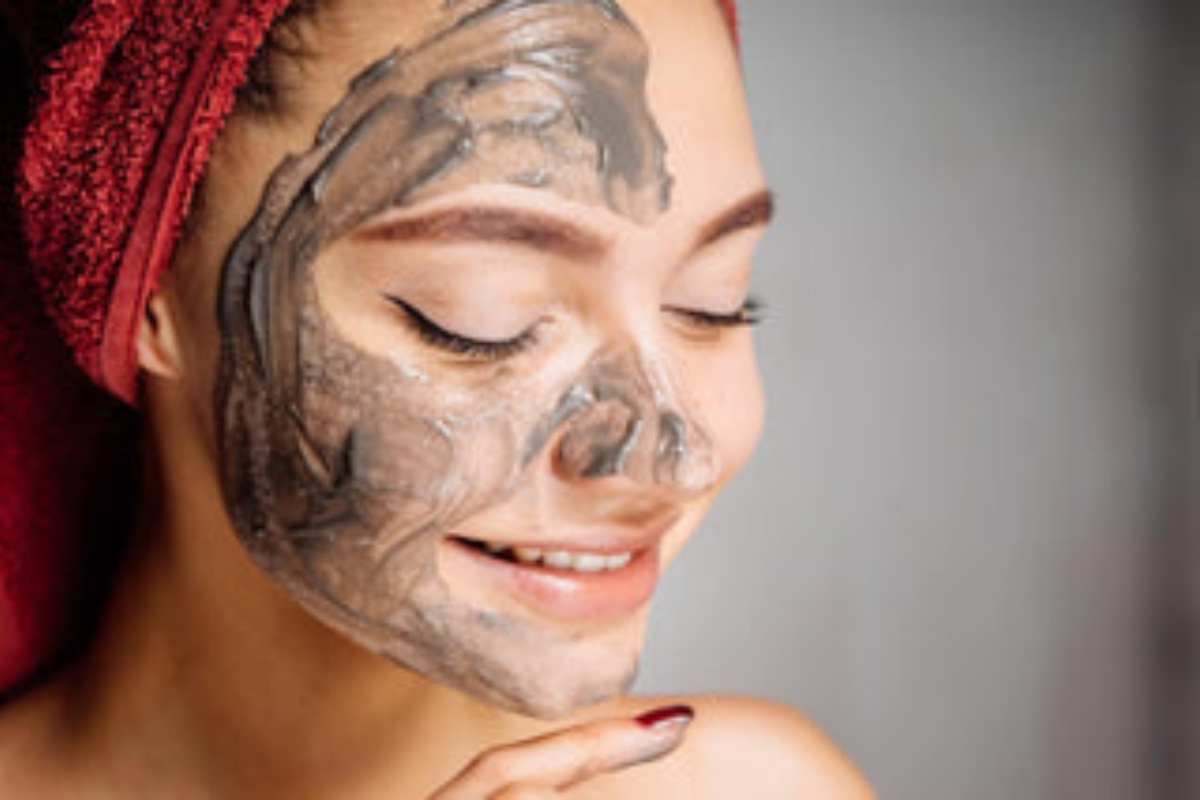
Activated charcoal skin lightening – When you have been on Instagram, and saw a jet-black face mask and asked yourself, How can something this dark make my skin lighter? – you are not the only one.
The past few years have discussed activated charcoal as one of the most popular ingredients of skincare products. It is found everywhere, be it peel-off masks, cleansers and soaps. There are numerous brands that say that it works with skin lightening and brightening, as well as pigmentation.In this detailed, human-friendly guide, we’ll explore:
- What activated charcoal really does
- Whether it can lighten skin tone
- Benefits for pigmentation and dullness
- How to use it safely
- DIY recipes
- Side effects and myths
- Who should (and shouldn’t) use it
Let’s break it down honestly and scientifically — without hype.
Table of Contents
What Is Activated Charcoal?
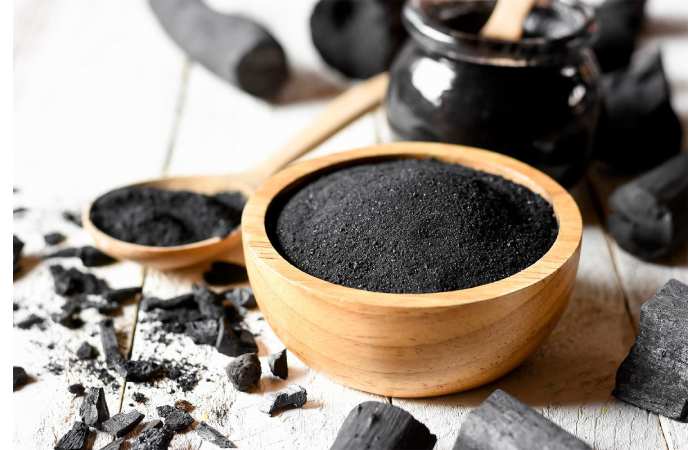
Activated charcoal is a fine black powder made from carbon-rich materials like coconut shells, bamboo, or wood. It’s processed at high temperatures to create a porous structure.
These tiny pores allow it to:
- Trap toxins
- Absorb excess oil
- Remove impurities from the skin
It works like a magnet — attracting dirt, bacteria, and oil from your pores.
But does that mean it bleaches your skin? No.
And that’s where many people get confused.
Can Activated Charcoal Lighten Skin?
The Short Answer:
It does not change your natural skin tone.
It can make your skin look brighter and clearer.
Activated charcoal does not contain bleaching agents. It does not reduce melanin production. It does not permanently lighten your complexion.
However, it can:
- Remove dirt buildup
- Reduce excess oil
- Unclog pores
- Improve dullness
- Make skin look fresher
This can create the illusion of lighter skin because your complexion appears cleaner and more even.
Skin Lightening vs Skin Brightening (Important Difference)
Many people use these terms interchangeably, but they’re different.
| Skin Lightening | Skin Brightening |
| Reduces melanin production | Removes dullness |
| Changes skin tone | Enhances natural glow |
| Often uses chemical agents | Focuses on clarity |
| Can be risky if overused | Generally safer |
Activated charcoal belongs in the brightening category — not bleaching.
Myth-Busting: Activated Charcoal & Skin Lightening
There’s a lot of misinformation online about charcoal skincare. Let’s clear things up honestly.
Myth 1: Activated Charcoal Whitens Skin Permanently
Reality:
Activated charcoal does not alter melanin production. It does not bleach skin. It does not lighten your natural complexion permanently.
What it actually does:
- Removes dirt
- Absorbs oil
- Improves surface dullness
Your skin may look brighter — but your skin tone remains the same.
Myth 2: The Darker the Mask, the Stronger the Lightning Effect
This is purely marketing.
The black color comes from carbon — not from whitening chemicals. The intensity of the black pigment has nothing to do with skin-lightening power.
Myth 3: Peel-Off Charcoal Masks Remove Blackheads Completely
Peel-off masks may remove:
- Surface debris
- Some loose blackheads
But they do NOT:
- Shrink pores permanently
- Stop blackheads from coming back
In fact, aggressive peeling can damage your skin barrier.
Myth 4: Using Charcoal Daily Gives Faster Results
Overusing charcoal can:
- Strip natural oils
- Cause dryness
- Trigger rebound oil production
- Irritate sensitive skin
More is not better. Balance is better.
Myth 5: Charcoal Can Remove Deep Pigmentation
It cannot treat:
- Melasma
- Hormonal pigmentation
- Deep sun damage
- Genetic dark patches
Those require medical-grade treatments or dermatologist-approved ingredients.
Myth 6: Charcoal Detoxifies Skin from Inside
Charcoal works on the surface of your skin. It does not detox your bloodstream or remove internal toxins when applied topically.
Your liver and kidneys handle internal detoxification — not a face mask.
Who Should Avoid Activated Charcoal?
While charcoal works well for oily and acne-prone skin, it is not suitable for everyone.
Here’s a clear guide:
| Skin Type / Condition | Should You Use It? | Why |
| Very Dry Skin | Avoid or limit | Can worsen dryness |
| Sensitive Skin | Use cautiously | May cause redness |
| Rosacea | Avoid | Can trigger flare-ups |
| Eczema | Avoid | Strips protective barrier |
| Active Open Wounds | Avoid | Irritates healing skin |
| Post-Chemical Peel | Avoid | Skin is already sensitive |
| Compromised Skin Barrier | Avoid | Can worsen damage |
If You Have Sensitive Skin, Do This Instead
You still want to try charcoal:
- Choose a gentle charcoal cleanser (not peel-off mask)
- Use once weekly
- Follow immediately with a rich moisturizer
- Always patch test first
Irritation occurs — stop immediately.
Warning Signs You Should Stop Using Charcoal
Discontinue use if you notice:
- Burning sensation
- Extreme tightness
- Red patches
- Flaking
- Increased breakouts
- Itchy skin
Skincare should improve your skin — not stress it.
Charcoal & Skin Barrier Damage
Over-cleansing with charcoal can damage your skin barrier.
Signs of barrier damage:
- Stinging when applying products
- Sudden sensitivity
- Persistent dryness
- Increased oiliness (yes, both can happen)
If this happens:
- Stop charcoal for 2–3 weeks
- Focus on hydration
- Use ceramide-based moisturizers
- Avoid exfoliants temporarily
Safer Alternatives for Skin Brightening
If your goal is true brightening (not just deep cleaning), consider:
| Ingredient | Benefit |
| Niacinamide | Improves uneven tone |
| Vitamin C | Boosts glow |
| Alpha Arbutin | Targets pigmentation |
| Licorice Extract | Gentle brightening |
| Sunscreen | Prevents darkening |
Charcoal works best as a supporting ingredient — not the main brightening solution.
How Activated Charcoal Improves Skin Appearance
Let’s look at what it actually does.
1. Deep Cleansing
Charcoal binds to dirt, pollution particles, and excess oil trapped in pores.
Result:
- Fewer clogged pores
- Reduced blackheads
- Smoother texture
2. Oil Control
If you have oily skin, charcoal can absorb excess sebum.
Result:
- Less shine
- Fewer breakouts
- More even complexion
3. Mild Exfoliation
Some charcoal masks contain clay or mild exfoliants.
Result:
- Removes dead skin cells
- Improves surface brightness
4. Acne Control
By reducing oil and bacteria buildup, it may help minimize acne.
Result:
- Fewer dark acne marks over time
- Clearer-looking skin
Who Benefits Most from Charcoal?
Activated charcoal works best for:
- Oily skin
- Acne-prone skin
- Combination skin
- People exposed to pollution
- Those dealing with blackheads
It is not ideal for:
- Very dry skin
- Sensitive skin (unless used carefully)
- Broken or irritated skin
Activated Charcoal for Pigmentation: Does It Help?
Let’s be realistic.
Charcoal does not:
- Fade deep hyperpigmentation
- Remove melasma
- Treat dark patches medically
But it may:
- Improve surface dullness
- Help fade mild post-acne marks (indirectly)
If your pigmentation is due to sun damage or hormonal issues, charcoal alone won’t fix it.
Benefits of Activated Charcoal for Skin
Here’s a simplified breakdown:
| Benefit | How It Helps |
| Deep cleansing | Removes dirt and toxins |
| Oil absorption | Controls shine |
| Acne support | Reduces pore blockage |
| Texture improvement | Makes skin smoother |
| Temporary brightening | Removes dull surface layer |
How to Use Activated Charcoal Safely
Using it incorrectly can damage your skin barrier. Here’s how to do it right.
Step-by-Step Method (Charcoal Mask)
- Wash your face with mild cleanser.
- Apply thin layer of charcoal mask.
- Leave for 10–15 minutes.
- Rinse with lukewarm water.
- Apply moisturizer immediately.
2–3 times per week is enough.
DIY Activated Charcoal Face Mask Recipes
1. Charcoal + Aloe Vera (For Oily Skin)
Ingredients:
- 1 tsp activated charcoal powder
- 1 tsp aloe vera gel
Mix and apply for 10 minutes.
Benefits:
- Controls oil
- Soothes skin
- Mild brightening
2. Charcoal + Yogurt (For Mild Pigmentation)
Ingredients:
- 1 tsp charcoal
- 1 tsp plain yogurt
Yogurt contains lactic acid which gently exfoliates.
Apply for 10 minutes and rinse.
3. Charcoal + Honey (For Acne-Prone Skin)
Ingredients:
- 1 tsp charcoal
- 1 tsp raw honey
Honey adds antibacterial and hydrating properties.
How Long Does It Take to See Results?
Here’s a realistic timeline:
| Duration | Expected Result |
| 1 use | Skin feels cleaner |
| 1 week | Oil control improves |
| 2–3 weeks | Fewer breakouts |
| 4 weeks | Noticeable brightness |
| 6+ weeks | Improved overall clarity |
Remember: It enhances your natural tone — it doesn’t change it.
Possible Side Effects
Activated charcoal is generally safe, but overuse can cause:
- Dryness
- Tightness
- Redness
- Barrier damage
- Increased sensitivity
Peel-off charcoal masks can:
- Damage skin barrier
- Worsen fine lines
- Irritate sensitive skin
If your skin burns — stop immediately.
Charcoal Soap vs Charcoal Mask
| Feature | Charcoal Soap | Charcoal Mask |
| Strength | Mild | Stronger |
| Use Frequency | Daily (if gentle) | 2–3x weekly |
| Oil Control | Moderate | High |
| Brightening Effect | Subtle | More visible |
If you’re a beginner, start with soap.
Combining Activated Charcoal With Other Ingredients
If you want better brightening, combine charcoal with:
- Vitamin C (morning serum)
- Niacinamide
- Sunscreen (mandatory)
- Gentle exfoliation
Charcoal alone is not a complete brightening routine.
The Role of Sunscreen
You can use charcoal regularly, but if you skip sunscreen:
- Pigmentation returns
- Dark spots worsen
- Brightening effects fade
Always apply SPF 30 or higher daily.
Is Activated Charcoal Safe for All Skin Tones?
Yes.
It does not discriminate based on skin tone because it does not change melanin production.
Whether you have:
- Fair skin
- Wheatish skin
- Brown skin
- Deep skin tone
It works the same way — by cleaning, not bleaching.
Scientific & Dermatology-Backed Resources
-
The Science of Activated Charcoal in Skin Care by Dr. Leslie Baumann – Explains how charcoal absorbs impurities and its benefits for oily and acne-prone skin.
-
Activated Charcoal Benefits for Your Skin (Medical News Today) – Breaks down possible benefits like oil absorption and impurity removal, while noting limited evidence.
-
Do Charcoal Face Masks Work and Are They Safe? – Quotes dermatologists about the pore-cleansing potential of charcoal masks and the lack of evidence for exfoliation or anti-aging.
Final Thought
Charcoal can be activated, however, not mystified.
It won’t bleach your skin. It will not leave you forever lightening your natural shade. And it will not dissolve intensive pigmentation at once. What it is capable of doing is immensely purifying, taming the greasy congeal that tends to bedeck the skin most frequently thus making it appear sore or unsymmetrical.
Charcoal can help achieve a clear and fresh skin, especially when having a darker look due to the accumulated pollution or the blocked pore structure or due to a lot of sebum.
Also Read: https://www.theuniversalbeauty.com
