

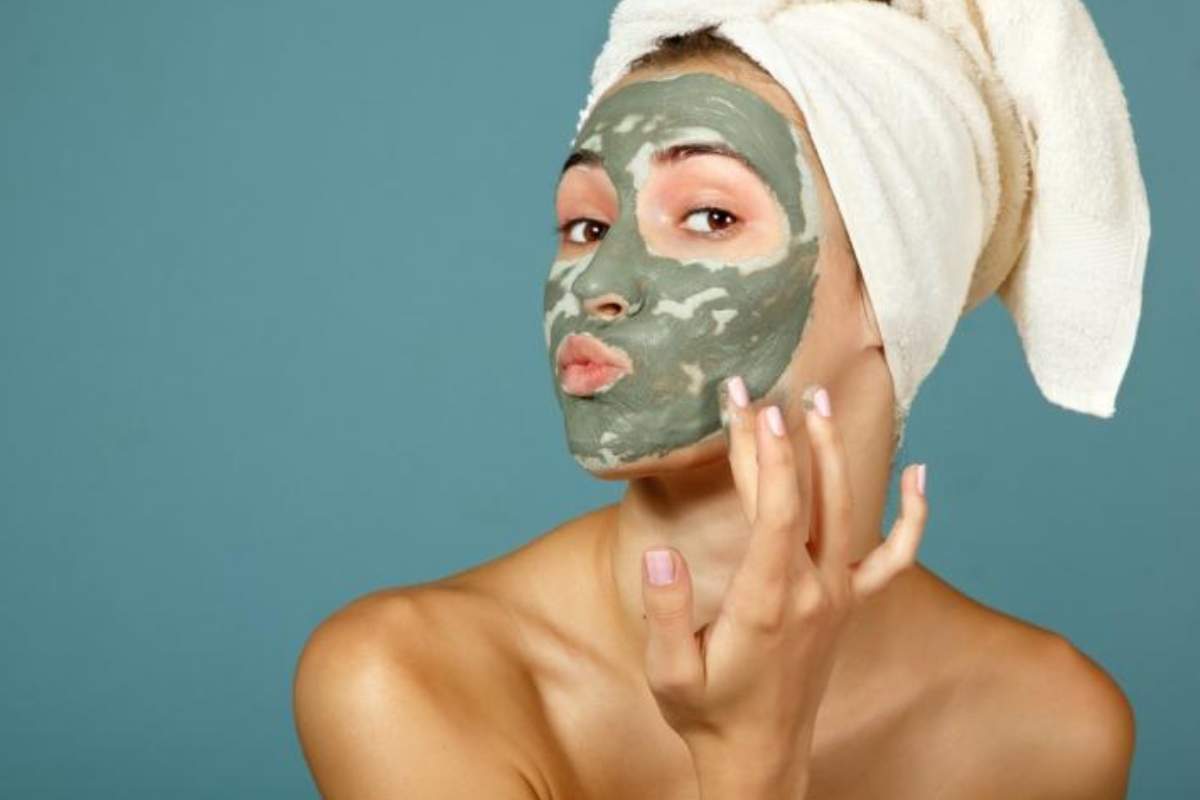
Anti tan face mask – To soothe that trying shade, console the irritation, and replenish the evenness, the appropriate anti-tan face mask can assist you, swiftly (and occasionally, delicately). The only thing missing is a human, practical guide; what a tan is, how a mask works, 8 simple recipes to make, notes on ingredients, a comparison table (find it quickly), when to wear, ideas on safety and an idea of a simple plan I make on a weekly basis.
Table of Contents
What is a tan?
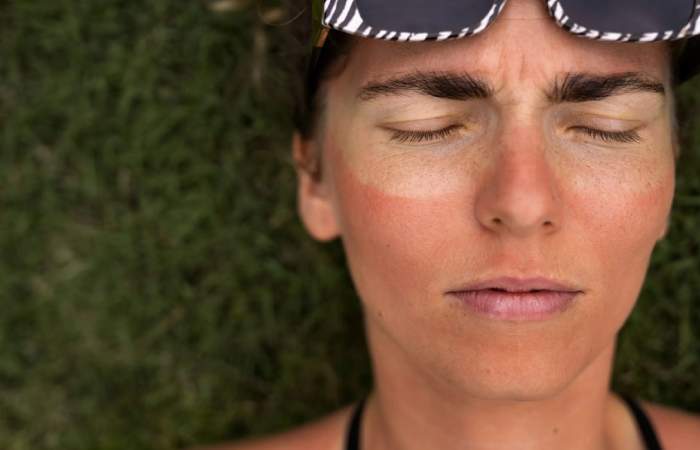
The natural defense mechanism of the skin under UV-light: the melanocytes synthesize additional melanin, and this pigment tints the skin. Tanning may be either superficial (on the surface) or deep; masks are most effective on topical pigmentation, by shedding cells, reducing swellings, and providing working ingredients with an opportunity.
How do anti-tan face masks work?
Anti-tan masks generally do one or more of the following:
- Light exfoliation — removes dead, pigmented surface cells (e.g., gram flour, lactic acid from yoghurt, papaya enzymes).
- Melanin modulation — ingredients like vitamin C and niacinamide help reduce pigment production over time.
- Anti-inflammatory action — soothes sunburned/tanned skin (aloe vera, cucumber).
- Hydration & barrier support — healthy skin repairs pigment more evenly (honey, oils).
- Oxidative protection — antioxidants neutralise sun-driven free radicals (tomato, green tea, vitamin C).
Masks are most effective when combined with sun protection — sunscreen, hat, avoiding peak sun — because preventing further UV exposure is essential to reduce re-tanning.
What causes a tan?
A tan is your skin’s natural defence reacting to light — but several things can trigger or make tanning worse. Here are the main causes:
1. Ultraviolet (UV) radiation
- UVB (finer wavelength) triggers melanocytes to manufacture additional melanin -pigment that changes the skin color and leads to the typical sunburner response. World Health Organization – Ultraviolet Radiation
- UVA (longer wavelength) goes deeper and darkens the present melanin, resulting in long-term pigmentation and photoaging. Broad-spectrum sunscreens are necessary with protecting UVA and UVB.
2. Increased melanin production
When the skin senses UV damage, melanocytes increase melanin synthesis (meant to protect DNA). That pigment gets deposited in skin cells and appears as darker patches or an overall tan.
3. Post-inflammatory hyperpigmentation (PIH)
Any inflammation — acne, insect bites, cuts, allergic reactions, or aggressive exfoliation — can lead to darker spots where the skin heals. PIH often looks like uneven patches rather than a uniform tan.
Results timeline — what to expect, week by week
How fast you see improvement depends on the depth of pigmentation, the treatments you use, and — most importantly — whether you stop further sun exposure. Here is a practical, realistic timeline that pairs with the mask routines in the post:
Immediate (0–3 days)
- What happens: Skin may feel calmer or hydrated after a soothing mask (aloe, yogurt). Surface dead cells start loosening with gentle exfoliation.
- Visible change: Minimal — mostly texture improvement (softer, plumper skin). Any immediate “lightening” is usually temporary (surface oils removed) rather than real pigment loss.
Short term (1–2 weeks)
- What happens: Regular gentle exfoliation and brightening ingredients begin to remove pigmented surface cells. Enzyme masks (papaya) and lactic acid masks accelerate surface renewal.
- Visible change: Mild, patchy brightening. Small, recent tan patches will look less intense. Expect subtle, noticeable improvement rather than dramatic change.
Midterm (3–6 weeks)
- What happens: Consistent use of targeted actives (vitamin C, niacinamide, regular exfoliation) plus strict sun avoidance/prevention allows melanin levels in surface cells to drop and pigmentation to fade. Skin tone evens out.
- Visible change: Clear reduction in superficial tan for most people. PIH and deeper pigment may still be visible, but softer.
Longer term (8–12+ weeks)
- What happens: Deeper pigment (melanin in basal layers) slowly clears as old pigmented keratinocytes are shed, and new ones replace them. Professional treatments (chemical peels, lasers) speed this up if needed.
- Visible change: Substantial improvement for surface tans; stubborn hyperpigmentation may require targeted topical prescriptions or in-clinic procedures.
Prevention — simple, everyday things that actually work
Preventing tan is far easier (and faster) than removing it. Here’s a compact, practical prevention plan you can follow daily.
Skincare habits that prevent tan/pigment
- Use antioxidant boosters (vitamin C serum in the morning) to neutralize free radicals from incidental UV exposure.
- Keep a gentle exfoliation schedule (enzyme or lactic acid masks 1–2×/week or gentle scrub once weekly for tolerant skin) — this prevents pigment build-up on the surface.
- Avoid known photosensitizers on exposed skin before sun exposure — examples: citrus essential oils, some topical prescriptions (check with your dermatologist).
- Treat inflammation quickly (pimple care, soothe insect bites) — prevent PIH by avoiding picking and by applying calming ingredients (aloe, centella). American Academy of Dermatology – Sun Protection Tips
How to choose the right mask for your skin
- Sensitive skin: potato + aloe, oat + yogurt. Avoid lemon, abrasive scrubs, and strong peels.
- Oily or acne-prone: tomato + yogurt, gram flour mix, green tea mask. Avoid heavy oils.
- Dry skin: oat + yogurt, honey-based masks; follow with a nourishing moisturizer.
- Combination or normal skin: you can rotate masks — a gentle enzyme mask one day, a soothing mask another.
Common mistakes to avoid
- Over-exfoliating — more damage and post-inflammatory hyperpigmentation.
- Mixing too many actives at once — enzymes + acids + physical scrubs can be harsh.
- Using citrus on broken/peeling skin — causes stinging and can irritate.
- Skipping sunscreen — masks will not protect you from re-tanning. Sunscreen is non-negotiable.
Before & after expectations
- 1 week: skin feels smoother; mild brightening in surface pigment.
- 2–4 weeks: noticeable reduction in superficial tan and more even tone with consistent use + sun protection.
- 8 weeks: deeper pigment may start lightening; stubborn hyperpigmentation may require targeted products or professional treatments (chemical peels, microdermabrasion, laser).
Quick Comparison Table — At a glance
| Mask Type | Best for | Action | How fast you’ll see results* | Frequency |
| Tomato + Yoghurt (DIY) | Normal to oily | Mild exfoliation + brightening | 1–3 weeks (gradual) | 2–3×/week |
| Potato + Aloe (DIY) | Sensitive/dry | Soothing, enzyme + gentle lightening | 2–4 weeks | 3×/week |
| Turmeric + Gram Flour (DIY) | All (avoid if very sensitive) | Exfoliate + anti-inflammatory | 1–3 weeks | 1–2×/week |
| Papaya + Honey (DIY) | Dull, pigmented skin | Enzymatic exfoliation (papain) | 1–2 weeks | 2×/week |
| Commercial vitamin C mask | Mature/dull skin | Antioxidant, melanin modulation | 2–6 weeks | 2×/week (as directed) |
| AHA/BHA peel mask (store) | Oily, textured skin | Chemical exfoliation | 1–4 weeks (noticeable) | 1×/week (patch test) |
*Results vary by skin type and sun exposure — masks reduce surface pigmentation gradually; deeper pigment needs professional care.
Ingredients that actually help — quick reference table
| Ingredient | Main benefit vs tan | Use notes |
| Tomato (lycopene + vitamin C) | Antioxidant, brightening | Use fresh pulp; avoid on open wounds |
| Yogurt / Lactic acid | Gentle exfoliation | Great for sensitive skin |
| Potato (starch + catecholase) | Mild depigmenting + soothing | Grate & apply juice to skin |
| Aloe vera | Hydration + anti-inflammatory | Use pure gel; excellent after sun |
| Turmeric | Anti-inflammatory + mild brightening | Tiny stain risk — use a little |
| Gram flour (besan) | Physical exfoliant + oil control | Mix with water/yoghurt |
| Papaya (papain enzyme) | Enzymatic exfoliation | Use ripe papaya; avoid on irritated skin |
| Honey | Humectant + healing | Pair with other actives for hydration |
| Vitamin C (AA/derivatives) | Melanin modulation & antioxidant | Store-bought masks are best for stability |
| Niacinamide | Reduces pigment transfer | Common in serums and masks |
DIY Anti-Tan Face Mask Recipes
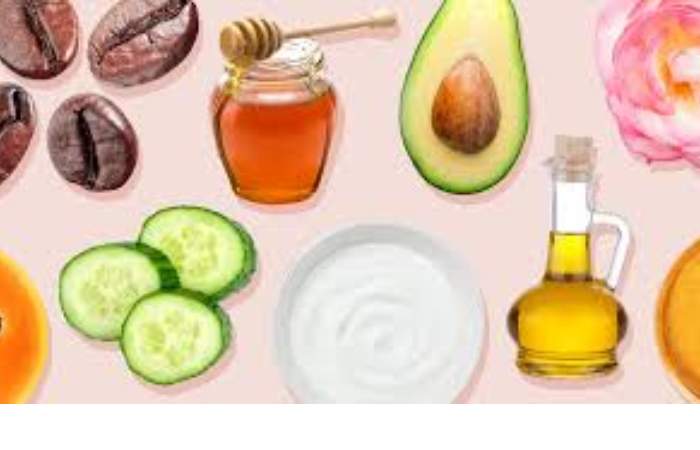
Each recipe includes quantities for one application and tips for skin types.
Safety note: Always do a patch test (inside wrist) for 24 hours if you have sensitive skin or a history of reactions.
1) Tomato + Yogurt Brightening Mask — quick and fresh
- Good for: normal → oily, pigmentation from mild sun exposure
- Ingredients: 1 tbsp fresh tomato pulp (seedless) + 1 tbsp plain yogurt (unsweetened)
- Method: Mash the tomato to a pulp, mix with yogurt to a smooth paste. Apply 10–15 minutes, then rinse with lukewarm water. Pat dry.
- Why it works: Tomato is rich in vitamin C and antioxidants; yoghurt provides gentle lactic acid exfoliation and soothes.
2) Potato + Aloe Soothing Mask — for sensitive, sunburned skin
- Good for: sensitive, post-sun irritation
- Ingredients: 1 tbsp fresh potato juice (grated potato, squeezed) + 1 tbsp pure aloe vera gel
- Method: Mix and apply for 12–20 minutes. Rinse gently.
- Why it works: Potato enzymes and potassium soothe and lighten; aloe calms inflammation and helps healing.
3) Papaya + Honey Enzyme Mask — for stubborn surface tan
- Good for: dull or pigmented skin (not irritated)
- Ingredients: 2 tbsp ripe papaya pulp + 1 tsp honey
- Method: Apply 8–12 minutes (papaya is active). Rinse. Don’t overdo it — papain is a strong enzyme.
- Why it works: Papain digests dead cells, revealing brighter skin; honey hydrates and prevents dryness.
4) Turmeric + Gram Flour (Besan) Radiance Mask — classic, effective
- Good for: all skin types (use small turmeric for light staining)
- Ingredients: 1 tbsp gram flour + 1/4 tsp turmeric + enough rose water or milk to make a paste
- Method: Apply for 10–15 minutes, rub gently in circular motions while rinsing (light scrub).
- Why it works: Besan exfoliates; turmeric reduces inflammation and may inhibit pigment formation.
5) Oat + Yogurt Gentle Exfoliating Mask — for dry & sensitive skin
- Good for: dry, flaky skin with surface tan
- Ingredients: 1 tbsp finely ground oats + 1 tbsp plain yogurt + 1/2 tsp honey
- Method: Apply for 12–15 minutes; oats soothe while yogurt exfoliates softly.
- Why it works: Oats calm inflammation; lactic acid gently removes pigmentation.
FAQ
Q: How about deep tan of DIY masks? Can it be removed just once?
A: No. DIY masks helps in surface pigmentation. Dark or dark-toned pigment requires constant attention and even professional care.
Q: Does Lemon work to tan on a daily basis?
T: No, the lemon is acidic and may strip the skin barrier. Apply only in rare cases and add moisturizer and sunscreen, respectively.
Question: Do masks make one be sensitive to the sun?
A: It is because certain exfoliating masks would increase the sensitivity of the skin temporarily in relation to the sun. The final thing is to apply, but never forget sunscreen and never, ever go out in the middle of the day.
Q Does acne-sensitive skin have commendable masks?
Yes: green tea, yogurt + tomato (irritation is possible), and gram flour masks may be good. Do not use comedogenic oil/ heaviest creams.
Final words
Addressing tan in a gradual manner is gradual. The surest thing is to go with a combination of light exfoliation, antioxidant lightening, and most importantly provide sun protection. Make a DIY mask out of the above, which fits your skin, and use it consistently for several weeks, and take care of your skin.
