

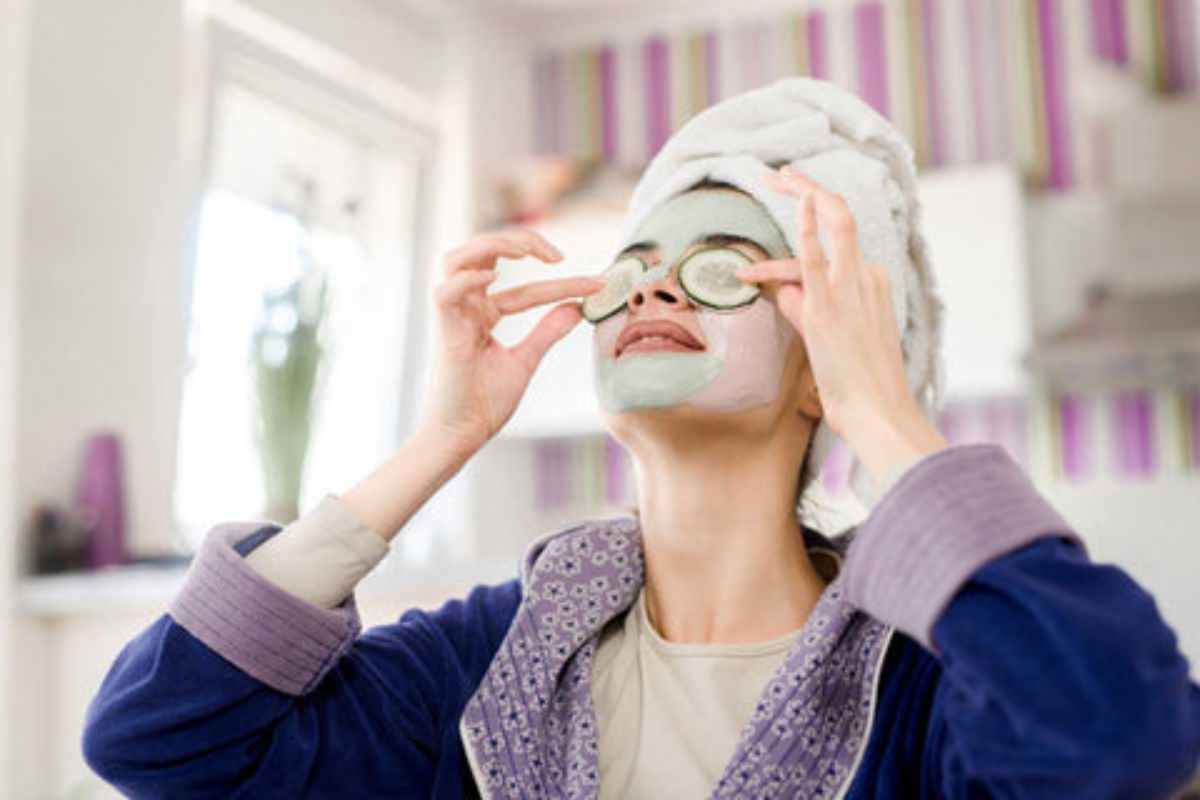
Dry skin face pack – Dry skin may be tight, flaky, and, to be required, uncomfortable. The good news? Right face pack would bring instant relief, hydrate that deep plump glow instantly. You can see a homely, human-friendly tutorial on using face packs; the reason behind using them, the recommended ingredients, easy recipes you can attempt yourself, and how to select pre-made products as they won’t leave you drier still.
Table of Contents
What is a face pack (and why it helps dry skin)

A face pack is a topical mask applied to the face for a set time and then rinsed or left on (sleeping masks). For dry skin, a face pack’s job is to:
- Replenish moisture and lipids
- Soothe irritation and redness
- Strengthen the skin barrier (so you lose less water)
- Add temporary plumpness and glow
Think of a face pack as an intensive drink of water plus the fats and nutrients your skin needs to seal that hydration in.
What causes dry skin?
Dry skin (xerosis) arises when skin loses water and lipids. Common causes:
- Genetics (some people naturally have drier skin)
- Weather (cold, dry air; air conditioning)
- Over-washing or harsh cleansers
- Hot showers
- Aging (skin makes less oil)
- Certain medications or medical conditions
Addressing dry skin needs moisture + barrier repair — both are covered well by the right face packs.
Key ingredients to look for (and avoid)
Here’s a quick ingredient guide to help you pick or DIY the right mask.
| Ingredient | What it does | Good for dry skin? |
| Hyaluronic acid | Holds water in skin (can bind 1000x its weight) | Highly |
| Glycerin | Humectant — draws moisture to skin | Highly |
| Ceramides | Lipids that repair the barrier | Highly |
| Squalane / plant oils (olive, jojoba) | Replenish skin oils, prevent TEWL | Highly |
| Shea butter / cocoa butter | Rich emollients — very nourishing | Good (heavy) |
| Aloe vera | Soothing, mild hydration | Good |
| Honey | Humectant + antimicrobial, soothing | Good |
| Lactic acid (low %) | Gentle exfoliation + hydration | Use very low % for dry skin |
| Alcohol denat / strong astringents | Strip oils, worsen dryness | ❌ Avoid |
| Fragrance / essential oils (high concentration) | Can irritate | ⚠️ Use cautiously if sensitive |
Quick comparison — Homemade vs Ready-Made face packs
| Factor | Homemade face packs | Ready-made face packs |
| Cost per use | Very low | Low–high (depends) |
| Customizable | tailor to your skin | limited customization |
| Shelf life | Short (no preservatives) | long (preservatives) |
| Active ingredients (concentration) | Gentle, natural | Can contain targeted actives (HA, ceramides) |
| Safety for sensitive skin | if simple | read label (fragrance) |
| Convenience | Needs prep/time | ready to use |
| Consistency of results | Varies | More consistent (if quality brand) |
Homemade Face Packs — easy, effective, and soothing
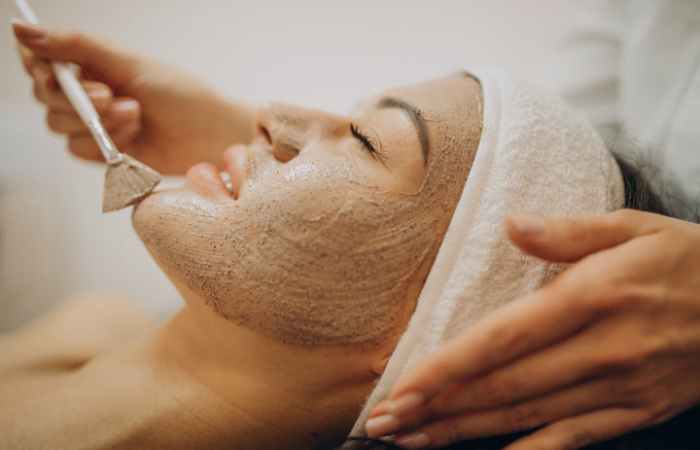
Below are 6 home recipes made from gentle, hydrating ingredients. Each includes benefits, how to use, and frequency. Homemade face packs for dry skin (Nykaa Beauty Blog) — Step-by-step DIY mask
Oat + Honey Soothing Mask
Best for: very dry, sensitive skin
Ingredients:
- 2 tbsp finely ground oats (colloidal oats if available)
- 1 tsp raw honey
- 1-2 tsp warm water or milk (for extra nourishment)
Why it works: Oats soothe inflammation and form a protective film; honey is a humectant and natural antimicrobial.
How to use:
- Mix to a paste.
- Apply to clean face for 10–15 minutes.
- Rinse with lukewarm water, pat dry, follow with serum and moisturizer.
Frequency: 1–2× weekly.
Precaution: If allergic to honey, skip.
Avocado + Yogurt Ultra-Nourish Mask
Best for: dry, dull, flaky skin
Ingredients:
- ½ ripe avocado (mashed)
- 1 tbsp plain full-fat yogurt
- ½ tsp honey (optional)
Why it works: Avocado is rich in healthy fats and vitamins; yogurt soothes and adds mild lactic acid hydration.
How to use: Apply 15–20 minutes, rinse, moisturize. Great as a once-a-week treat or when skin feels extra parched.
Banana + Olive Oil Repair Mask
Best for: repair, quick hydration boost
Ingredients:
- ½ mashed banana
- 1 tsp olive oil (or jojoba/squalane)
- 1 tsp honey (optional)
Why it works: Banana gives vitamins and texture, olive oil seals moisture and supports barrier lipids.
How to use: 10–15 minutes, rinse, follow with moisturizer. Use weekly.
Aloe Vera + Almond Oil Lightweight Hydrator
Best for: combination-dry or slightly sensitive
Ingredients:
- 2 tbsp pure aloe vera gel
- 3–4 drops sweet almond oil (or squalane)
Why it works: Aloe soothes and hydrates; almond oil provides light emollient support without heaviness.
How to use: Apply and leave 10–20 minutes or use as an overnight spot treatment. Frequency: 2–3× weekly.
Yogurt + Oat Overnight Lock-In Mask (sleeping mask style)
Best for: flaky dry patches, mild dehydration
Ingredients:
- 2 tbsp thick yogurt
- 1 tbsp ground oats
- 2–3 drops of your regular facial oil (optional)
Why it works: Overnight time lets lactic acid gently hydrate while yogurt + oats hydrate and soothe.
How to use: Apply thin layer at night, rinse in morning. Use once weekly to avoid over-exfoliation.
Rosewater + Glycerin Quick Hydration Mist Mask
Best for: instant pick-me-up
Ingredients:
- 2 tbsp rosewater
- ½ tsp glycerin
- Optional: 1 tsp aloe
Why it works: Glycerin + rosewater attract moisture and feel refreshing. This is a “wash-off” or leave-on mild mist mask.
How to use: Apply as a thin layer, leave 5–10 minutes, blot excess. Or keep in a spray bottle for a skin mist.
DIY face pack hygiene & tips
- Use clean utensils and bowls.
- Make only what you need (1–2 uses). Store in fridge for max 48 hours.
- Patch test: put a dab on your inner forearm for 24 hours if you have sensitive skin.
- Avoid lemon or high-strength acids (can dry/irritate).
- For flaky patches, follow a hydrating mask with a cream containing ceramides or a facial oil to lock in moisture.
Ready-Made Face Packs — what to look for & recommended types
If you prefer convenience, many commercial masks are formulated specifically for dry skin. Look for these types: 7 Hydrating natural face packs for dry skin (Smytten)
Types to choose
- Sheet masks (hyaluronic acid, glycerin): instant hydration. Great for a quick boost.
- Cream masks (ceramides, shea butter): richer, longer hydration and barrier repair.
- Sleeping (overnight) masks: intensive locking in of moisture while you sleep.
- Hydrogel masks: similar to sheet masks but hold more serum.
- Oil or balm masks: heavy emollients for very dry skin or winter months.
How often to use ready-made masks
- Sheet masks: 1–3× weekly (or more for temporary plumping)
- Cream/sleeping masks: 1–3× weekly or as a weekly intensive treatment
- Oil/balm masks: 1–2× weekly or as needed in harsh weather
How to use a face pack within your routine
- Cleanse — use a gentle, cream or oil-based cleanser (no harsh foams).
- Exfoliate? — only once a week if needed. Avoid scrubs before heavy hydrating masks.
- Apply face pack — follow recipe or product directions. Relax!
- Rinse / Remove — lukewarm water or cloth. Pat, don’t rub.
- Serum (optional) — hydrating serum with HA or glycerin.
- Moisturizer — cream with occlusive elements (e.g., dimethicone, petrolatum-free alternatives) to lock hydration.
- Facial oil — optional last step if skin very dry.
Tip: For extra absorption, apply a thin hydrating serum after rinsing and seal with moisturizer within 60 seconds.
Quick comparison table — recipes by skin type
| Skin type | Recipe focus | Key at-home ingredient | Time | Frequency |
| Very dry | Lipid repair | Avocado + shea butter | 20–25 min | Weekly / overnight as needed |
| Dry sensitive | Soothing | Colloidal oats + aloe | 10–15 min | 1–2× weekly |
| Combination-dry | Balance | Yogurt + jojoba | 12–15 min | 1–2× weekly |
| Dry + acne-prone | Hydrate, non-comedogenic | Aloe + squalane | 10–12 min | Weekly |
| Mature dry | Plump + repair | Papaya + almond oil | 12–15 min | Weekly |
| Eczema-prone | Gentle barrier support | Colloidal oats + sunflower oil | 8–10 min | PRN (patch-test) |
Winter care — practical tips & a simple routine
Winter needs a gentle pivot: less stripping, more sealing. Below are daily habits, product choices, and quick fixes that really help dry skin survive and thrive in cold months.
Daily winter routine (simple and effective)
MorningCleanse with a creamy or oil-based cleanser — no hot water.
- Apply a hydrating serum (hyaluronic acid or glycerin) to damp skin.
- Use a moisturizer with ceramides/squalane.
- Apply a broad-spectrum SPF — yes, even in winter (UV still penetrates clouds).
Evening
- Double-cleanse only if you wore sunscreen/makeup; otherwise a gentle cleanser.
- Apply a nourishing serum (niacinamide or peptide if tolerated).
- Use a richer night cream — look for occlusives listed below.
- Once or twice weekly: apply an overnight sleeping mask (rich in occlusives) instead of the usual night cream.
FAQs
Q: How long until I see results?
A: The immediate softness will be observed immediately after the treatment; generally in the long term of 2-6 weeks of consistent treatments during the week and daily moisturizing will repair the barrier lasting.
Q It: Is a face pack usable on a daily basis?
A: 13×/week is most preferable with most intense masks. Daily use can be ensured with very mild hydration boosts (such as rosewater + glycerin mist).
Q: Do acne products like oils also suit the dry parts of the skin that are prone to acne?
A: Pick or choose non-comedogenic oils (squalane, jojoba). You have to avoid heavy occlusives when you are an easy breaker.
Q: Is exfoliation to be done prior to the application of a hydrating mask?
A: Light exfoliation (once a week) may promote the absorption of products, although do not excessively exfoliate- excessive exfoliation increases the problems of dryness.
Final Words
Home-made masks are warm and basic, oats, honey, avocado, aloe, these are elements with which the body is well familiar and gentle. Ready-made masks are convenient and focused on specific science through ceramides, hyaluronic acid and well-balanced formulations. You do not need to pick either one. The true brilliance usually lies in the combination of both methods in the way that fits your lifestyle.
