

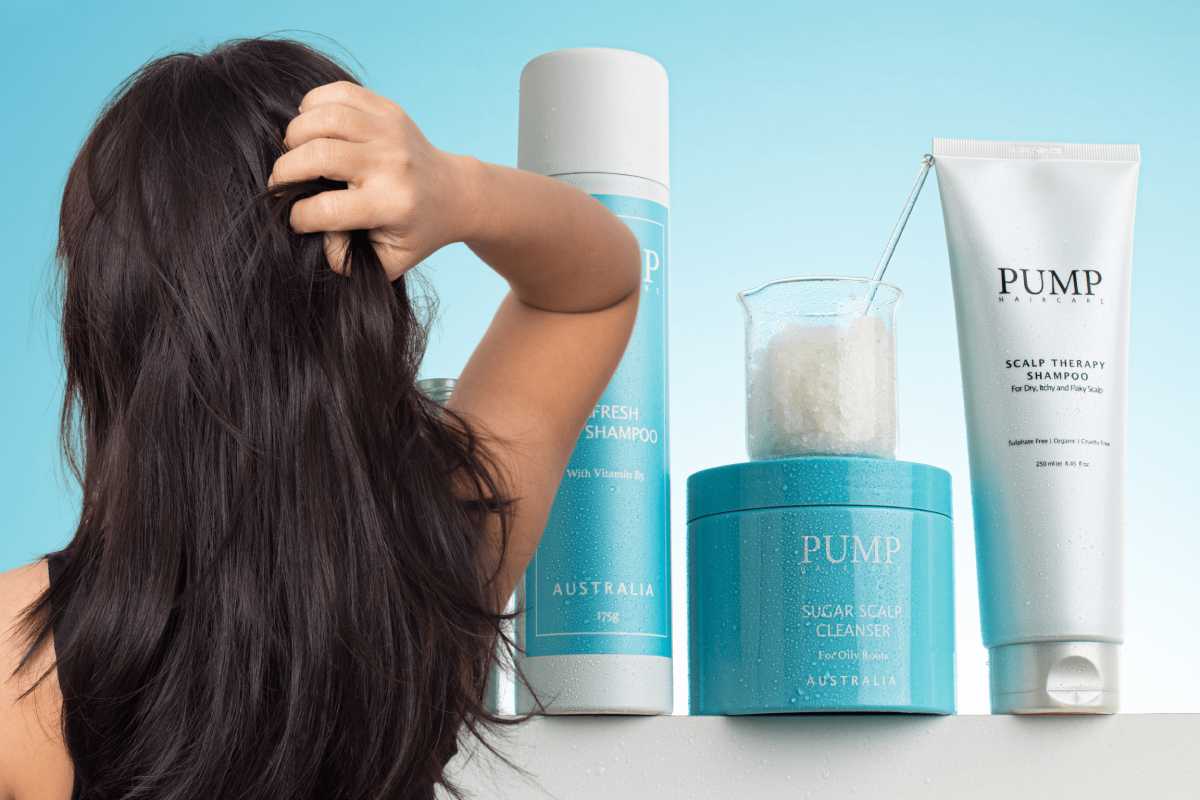
Hair Mask: Dandruff and Itchy Scalp: DIY and Store-Bought are formulations destined to take care of the irritability, curtail the growth of fungal elements, and also excise flakes without harming your hair.
Unless you have been content with stapling yourself with black shirts spotted with white flakes or have always had a scratch at the back of the head, then this guide is your guide.
Table of Contents
What Is a Hair Mask for Dandruff?
A dandruff hair mask is a concentrated scalp treatment that:
- Reduces flaking
- Controls excess oil
- Soothes inflammation
- Restores scalp microbiome balance
Unlike regular conditioners, these masks are meant for the scalp first — hair second.
Who This Is For
- People with mild to moderate dandruff
- Those experiencing itchy, flaky scalp
- Individuals with oily scalp buildup
- Anyone wanting natural alternatives before medicated products
Who Should Avoid DIY Masks
- Severe seborrheic dermatitis
- Open wounds or cracked scalp
- Psoriasis flare-ups
- Extreme hair fall with inflammation
Consult a dermatologist if symptoms persist beyond 6–8 weeks.
Causes of Dandruff and Itchy Scalp
- Itchy scalp and dandruff is an excess of dead skin cells that look like small scales. It is usual for dead skin to shed.
- However, when we do in excessive quantity, it is when it begins to cause inconvenience.
Dandruff and itchy scalp can have different and varied causes:
- Mushrooms
- Food allergies
- Stress
- Environmental conditions
- Diet deficiencies (especially lack of zinc)
- Seborrheic dermatitis
- Using a very aggressive shampoo for your skin
Hair Masks for Dandruff and Itchy Scalp
1. Strawberry and Yoghurt
- With this mask, you can eliminate dandruff, oily hair, and hair loss.
- Strawberries are with many nutrients and vitamins.
- They are antibacterial, which help eliminate dandruff fungus, fight hair oil, and stimulate the hair fibre to grow hair.
Ingredients:
- A cup of strawberries.
- A natural yoghurt.
Preparation:
- Start by crushing the strawberries, add the yoghurt and mix until it forms a smooth paste.
- Then apply on the scalp, leave it on for 29 minutes, and remove with plenty of water.
2. Hair mask for dryness
- It is necessary to hydrate dry hair, for this coconut oil deeply is perfect.
- Coconut oil has many benefits and properties for hair care.
- It is a natural moisturizer, cleanses, nourishes, and protects the hair fibre to maintain healthy and beautiful hair.
- When combined with egg and milk, it provides the proteins that the hair needs not to lose its hydration and thus achieve soft, shiny, and healthy hair.
Ingredients:
- 2 tablespoons of coconut oil
- Egg
- A bit of milk.
Preparation:
- In a container, put in all the ingredients and mix until you form the mask.
- Once ready, apply throughout the hair; you must let it act for 20 minutes and remove plenty of water.
- You should apply any of these homemade masks once a week, and you will see that you will maintain beautiful and healthy hair.
- It is also essential that you use appropriate hair products for your hair type and need.
- Currently, you can find a large number of products for dry, oily, or dandruff hair.
- With these incredible masks, you will see their results in a short time, as well as being very easy to prepare and apply.
3. Avocado Mask
- Avocado is rich in antioxidants, so it helps maintain the scalp’s health that has been weakened by dryness and itchiness.
- Its high content of fatty acids helps to replenish the hydration that the dry scalp lacks.
How to use avocado:
- Puree half an avocado and apply it to the scalp. You can also spread it over the rest of the hair if you have
enough to do it. - It will also hydrate the hair’s length, which has undoubtedly suffered from growing in a hostile environment of
dryness. - Let it work for at least 20 minutes, and then wash your hair.
4. Apple Cider Vinegar Mask
- Apple cider vinegar has good anti-inflammatory and antibacterial properties that can make a big difference in the strength of the scalp and hair in general.
Ingredients:
- ¼ cup of apple cider vinegar
- ¼ or 1/2 cup of water
Preparation:
- In a bowl, mix ¼ cups of apple cider vinegar with an equal amount of water.
- Immerse a cotton ball in the blend and apply it directly to the scalp, or put the preparation in a spray bottle to
spray it evenly all over the head. - Then massage your scalp for 10 minutes and wrap the hair with the help of a towel.
- After 15 minutes, do away with the towel and rinse well with fresh water.
5. Baking soda mask
- The alkaline nature of baking soda can go a long way in balancing and eliminating that bothering you.
- It is a straightforward remedy.
Ingredients:
- One tablespoon of baking soda
- A teaspoon of water
- Five drops of olive oil
Preparation:
- Firstly, mix up one tablespoon of baking soda with a teaspoon of water to form a paste; then add a small number of
drops of olive oil and mix well. - Now apply it all over your scalp and massage for 10 minutes.
- Let it act for another 15 minutes and, after this time, rinse the hair with plenty of warm water.
6. Multani Mitti (Fuller’s Earth) Scalp Mask
Best for: Extremely oily scalp
Mix
- 2 tbsp multani mitti
- Rose water (enough for paste)
Absorbs excess oil and reduces itching.
Use only once every 2 weeks to avoid dryness.
7. Green Tea + Aloe Detox Mask
Best for: Mild buildup + inflammation
Mix
- 3 tbsp brewed green tea
- 2 tbsp aloe gel
Antioxidants calm scalp stress.
8. Hibiscus Leaf & Curd Pack
Best for: Natural shine + flake control
Crush hibiscus leaves into paste. Mix with curd. Leave 30 minutes.
Adds softness while reducing dryness flakes.
Store-Bought Hair Mask Categories
| Type | Key Ingredients | Best For | Frequency |
| Medicated | Ketoconazole, Zinc Pyrithione | Persistent dandruff | 1–2x weekly |
| Botanical | Neem, Tea Tree | Mild flakes | Weekly |
| Exfoliating | Salicylic Acid | Heavy buildup | Weekly |
| Hydrating | Panthenol, Glycerin | Dry scalp flakes | 1–2x weekly |
Complete Dandruff Control Routine
Consistency matters more than intensity.
Weekly Routine (Balanced Scalp Plan)
1- Day– Scalp Treatment Day
- Pre-wash: Apply DIY mask
- Shampoo: Mild anti-dandruff shampoo
- Condition: Mid-length to ends only
3-Day – Maintenance Wash
- Gentle shampoo
- Light conditioner
6-Day – Hydration Boost
- Aloe-based scalp mask
- Sulfate-free shampoo
Oily Scalp Weekly Plan
- Wash 3 times/week
- Use exfoliating mask once
- Avoid heavy oils
Dry Scalp Weekly Plan
- Wash 2 times/week
- Use yogurt/methi masks
- Light scalp oiling before wash
Store-Bought Mask Types & What to look for
| Mask Type | Key Actives | Best for | How often |
| Medicated anti-dandruff | Ketoconazole, zinc pyrithione | Persistent dandruff, seborrheic dermatitis | 1–2x weekly (as directed) |
| Tea tree / botanical | Tea tree oil, neem, salicylic acid | Mild dandruff, sensitive scalps | 1x weekly |
| Exfoliating scalp masks | Salicylic acid, glycolic acid | Buildup & flaky scalp | 1x weekly |
| Moisturizing masks | Panthenol, glycerin, light oils | Dry scalp with flakes | 1–2x weekly |
How to choose
- Read labels: look for antifungal actives if flakes persist.
- For coloured/treated hair choose a mask labeled color-safe.
- Prefer pH-balanced, silicone-free options if you avoid buildup.
Myths vs Facts
Myth: Dandruff is caused by poor hygiene.
Fact: Dandruff is linked to scalp biology (sebaceous activity and microbes). Overwashing can even worsen dryness.
Myth: Oils make dandruff worse always.
Fact: Heavy oils can clog, but light oils (squalane, fractionated coconut) in masks can soothe a dry, flaky scalp.
Myth: All natural = safe.
Fact: Natural ingredients can irritate; always patch test.
Step-by-step (how to use any dandruff mask correctly)
- Cleanse: Start with a gentle shampoo to remove surface oils.
- Patch test: Apply small amount behind ear for 24 hours if new ingredient.
- Apply: Section hair; apply mask primarily to the scalp in thin layers.
- Massage: Light 2–3 minute scalp massage to stimulate circulation.
- Wait: Follow product timing or DIY instructions (usually 15–30 minutes).
- Rinse thoroughly: Remove all residue; follow with conditioner on hair lengths only, not the scalp.
- Frequency: 1–2 times weekly unless product advises otherwise.
DIY vs Store-bought at a glance
| Factor | DIY Masks | Store-Bought Masks |
| Cost | Low | Medium–High |
| Consistency | Variable | Standardized actives |
| Safety | Depends (patch test needed) | Often dermatologically tested |
| Speed of results | Slower | Faster for medicated products |
| Best for | Mild flakes, maintenance | Moderate–severe dandruff |
When to see a dermatologist
- Severe redness, hair loss, or painful sores.
- If over-the-counter medicated masks cause irritation
- Flakes persist after 6–8 weeks of consistent care.
Final Words
Finding the Best Hair Masks to Treat Dandruff: DIY vs. Store-Bought is not the problem of spending money on the products themselves, but the problem of using the right ingredients and the components that will help one adopt a regular routine. Regardless of whether you are into natural kitchen cures or dermatologist-proven formula, regular treatment, gentle exfoliation and scalp moisture will keep the flakes at their place as well as ensure healthy and confident hair.
