

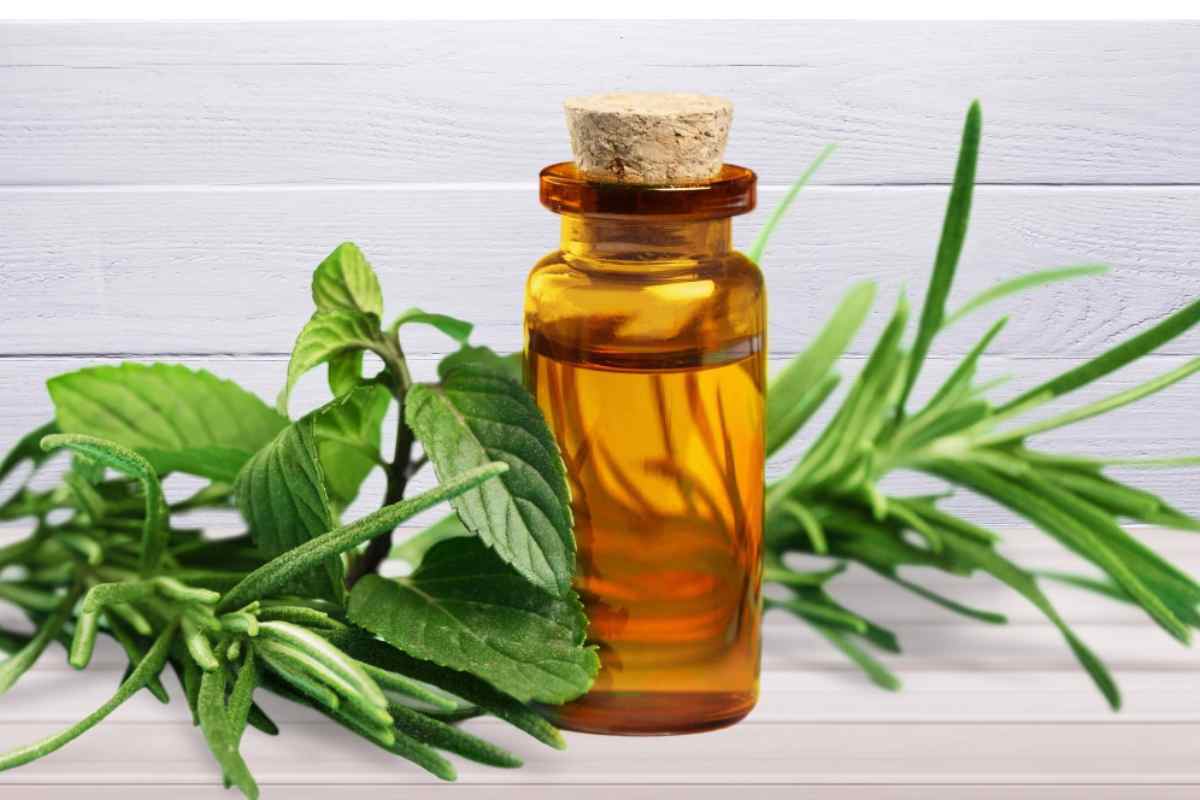
Tea Tree Oil for Skin – Tea tree oil is a necessary oil that is distilled from the leaves of the Melaleuca alternifolia tree, which is indigenous to Australia. It is a concentrated extract of plants that has a fresh and camphor-like smell and participates in antimicrobial and anti-inflammatory effects presented by active components (in particular, terpinen-4-ol). That is why it is popular among blemishes, fungal spots, insect bites, and minor cases of skin conditions, provided the usage is correct.
Table of Contents
How does Tea Tree Oil work?
- Tea tree oil contains several compounds, including terpinene-4-oil, which kills certain bacteria, viruses, and fungi.
- Terpinene-4-oil also increases your white blood cells’ activity, which helps fight germs and other foreign invaders.
- Antibacterial properties make a valuable natural remedy for treating bacterial and fungal skin conditions, preventing infections, and promoting healing.
What are the properties of Tea Tree Oil?
Here are the main properties of the tea tree:
- Anti-infectious: It is an ally of choice for killing certain pathogenic bacteria in the mouth, and I particularly recommend against gingival inflammation.
- Antifungal: It is the enemy of fungi so that it is a natural shock treatment against fungal infections
- Antiseptic: for little everyday ailments
- Antiviral: a small blessing against viruses
- Antiparasitic: will stop untimely scratching, advice to those who have scabies or lice
Benefits of Tea Tree Oil for Skin
Tea tree oil is widely known for its natural antibacterial and anti-inflammatory properties. It is commonly used in skincare to help manage acne, soothe irritation, and maintain healthier skin. The table below highlights the key benefits of tea tree oil and how it supports different skin concerns.
| Benefit | How It Helps the Skin | Best For |
|---|---|---|
| Fights Acne-Causing Bacteria | Tea tree oil has strong antimicrobial properties that help kill bacteria responsible for pimples and breakouts. | Acne-prone skin |
| Reduces Inflammation | Its anti-inflammatory compounds help calm redness, swelling, and irritated skin. | Inflamed acne and sensitive skin |
| Controls Excess Oil | Tea tree oil can help regulate sebum production, preventing clogged pores and oily shine. | Oily skin |
| Helps Clear Pimples Faster | When applied as a diluted spot treatment, it can reduce the size and redness of pimples. | Active breakouts |
| Prevents Acne Recurrence | Regular use in diluted form may help keep pores cleaner and reduce future breakouts. | Acne-prone skin |
| Supports Minor Wound Healing | The antiseptic properties may help protect small cuts and skin irritations from infection. | Minor skin injuries |
| Helps Treat Fungal Skin Issues | Tea tree oil has antifungal properties that may help with athlete’s foot and fungal acne. | Fungal skin infections |
| Reduces Skin Redness | Its soothing effects can calm irritated or inflamed areas of the skin. | Sensitive or irritated skin |
| May Reduce Acne Scars | By reducing inflammation and supporting healing, it may help fade post-acne marks over time. | Post-acne marks |
| Helps With Dandruff and Scalp Health | Tea tree oil can help control scalp bacteria and reduce dandruff flakes. | Dandruff and itchy scalp |
| Natural Skin Cleanser | It helps remove impurities and bacteria from the skin’s surface. | Daily skincare routines |
| Soothes Insect Bites | Anti-inflammatory properties can reduce itching and swelling from insect bites. |
What are the Best Tea Tree Oils available on the market?
To make your choice more comfortable and to help you choose a product suited to your needs.
We are going to talk about the main characteristics and advantages of these products. Here is our ranking:
Organic MyCosmetik tea tree essential oil
- MyCosmetik tea tree essential oil is 100% pure and natural oil, controlled and certified BIO (AB) by ECOCERT.
- It is ideal for stimulating the immune system and attacks the fungi responsible for mycosis.
- It prevents the growth of bacteria and viruses, cleanses and tones both the scalp and the skin.
- This oil will also serve as a natural preservative for your cosmetic preparations thanks to its bactericidal properties.
- It is a total and complete oil, without bisphenol, phthalate, paraben.
Birth tea tree essential oil
- The essential lotion (tea tree) 100% pure and natural.
- You will love it’s characteristic fresh, medicinal, clean, camphoric, herbaceous, earthy, and woody fragrance.
- Birth tea tree essential oil is helpful for its purifying and soothing properties for the skin.
- Refreshing and energizing in aromatherapy, it is also suitable for mixtures of massage oils.
- Dilute 1% of the final mixture, or about 20 drops or 1 ml of essential oil per 100 ml of vegetable oil. For the body or in the bath, you can use up to 3% essential oil.
Voshuiles tea tree essential oil
- Voshuiles.com, it comes from organic farming is 100% natural and is ECOCERT certified.
- Its scent is at once lemony, woody and earthy, a little camphoric. In the mouth, it gives a slightly spicy note.
- We can use it to flavour your preparations, such as sorbets, drinks, or confectionery.
- These oils are classified under food flavouring legislation and are HEBBD, botanically, and biochemically defined.
Mearome tea tree essential oil
- The essential oil of Tea Tree Mearome, a genuine concentrate of plants, has excellent antiviral and antifungal properties.
- That is why this essential oil is recognized as the most effective natural solution to relieve cold sores and eliminate fungi.
- Just apply a drop of Tea Tree essential oil directly to the pimple to cleanse the skin and quickly absorb pimples.
- We certify by the HEBBD the quality of Mearome essential oils is, HECT and 100% Pures et Naturelles labels.
- And also, Mearome undertakes only to use plants from fair trade and small local producers.
Kanzy Hair and Beauty Essential
- It is a wonderfully versatile oil, is well known for its therapeutic benefits.
- Its balancing and cleansing powers make it ideal for use in skincare.
- Plus, you can use in your homemade beauty formulations like creams, balms, cleansers, or skin toners, among others.
- It is known for its purifying effect on the senses.
- When used in a mist or diffuser, its robust and spicy aroma has calming properties while leaving you feeling energized and refreshed.
Risks, side effects & who should avoid it
- Skin irritation & allergic contact dermatitis — looks like red, scaly, itchy patches in some users. If you develop this, stop immediately.
- Never use undiluted on skin — 100% essential oil can burn or blister.
- Eyes & mucous membranes — avoid entirely. If it gets in your eye, rinse thoroughly with water.
- Pregnancy & breastfeeding — data is limited; many clinicians advise caution and to consult a healthcare provider before regular use.
- Children — essential oils can be risky; avoid applying to infants and use extreme caution in young children.
- Asthma — strong aromas can trigger symptoms in sensitive people; use sparingly.
What are the precautions to take when using tea tree oil?
- If you’ve read our article so far, you’ll understand that it is beneficial for its remarkable
benefits. - However, to take full advantage of its services without harming your health, it is essential to know how to use it correctly.
- Below is a catalogue of precautions to take:
- It is mostly for external use only; we should not ingest.
- It is a very concentrated oil, so a few drops applied topically are sufficient.
- I recommend you to do a sensitivity test by applying a few drops of oil on the wrist or the inside of the elbow.
- Then wait for 36-48 hours to see if any allergic reactions appear.
- However, if the irritation persists, stop using it.
- Babies and toddlers should use it only diluted with water or another vegetable oil, such as coconut oil.
- Avoid keeping it in plastic containers, in its pure form.
- Keep it out of the reach of children, protected from light, in a cool and dry place.
Acne Skin vs Sensitive Skin: How Should They Be Used
| Feature | Acne-Prone Skin | Sensitive Skin |
| Oil production | High | Usually low to moderate |
| Breakouts | Frequent pimples | May get irritation instead |
| Tea tree oil strength | 2–3% dilution | 0.5–1% dilution |
| Application method | Spot treatment or diluted serum | Only spot treatment |
| Frequency | 1–2 times daily | 2–3 times weekly |
| Risk of irritation | Moderate | High |
| Recommended carrier oil | Jojoba oil | Almond oil or rosehip oil |
How to Use Tea Tree Oil for Acne
Tea tree oil works best when used as a targeted acne treatment rather than applied all over the face.
Step-by-Step Acne Treatment
- Wash your face with a gentle cleanser.
- Mix tea tree oil with a carrier oil.
- Dip a cotton swab in the mixture.
- Apply directly to pimples.
- Leave overnight or rinse after 20 minutes.
Frequently Asked Questions
Can I apply oil directly to pimples?
No oil should always be diluted before applying to the skin.
How often should oil be used?
Most people can use it once daily for acne spot treatment.
Is it good for sensitive skin?
Yes, but only in very low dilution (0.5–1%) and limited use.
How long does oil take to work?
For mild acne, results may appear within 3–7 days.
Final Thoughts
Tea tree oil is a powerful natural skincare ingredient known for its antibacterial and anti-inflammatory properties. When diluted properly, it can help reduce acne, calm redness, and improve overall skin clarity.
However, because tea tree oil is highly concentrated, proper dilution rules are essential, especially for sensitive skin. Acne-prone skin may tolerate slightly stronger concentrations, while sensitive skin requires gentler formulations.