

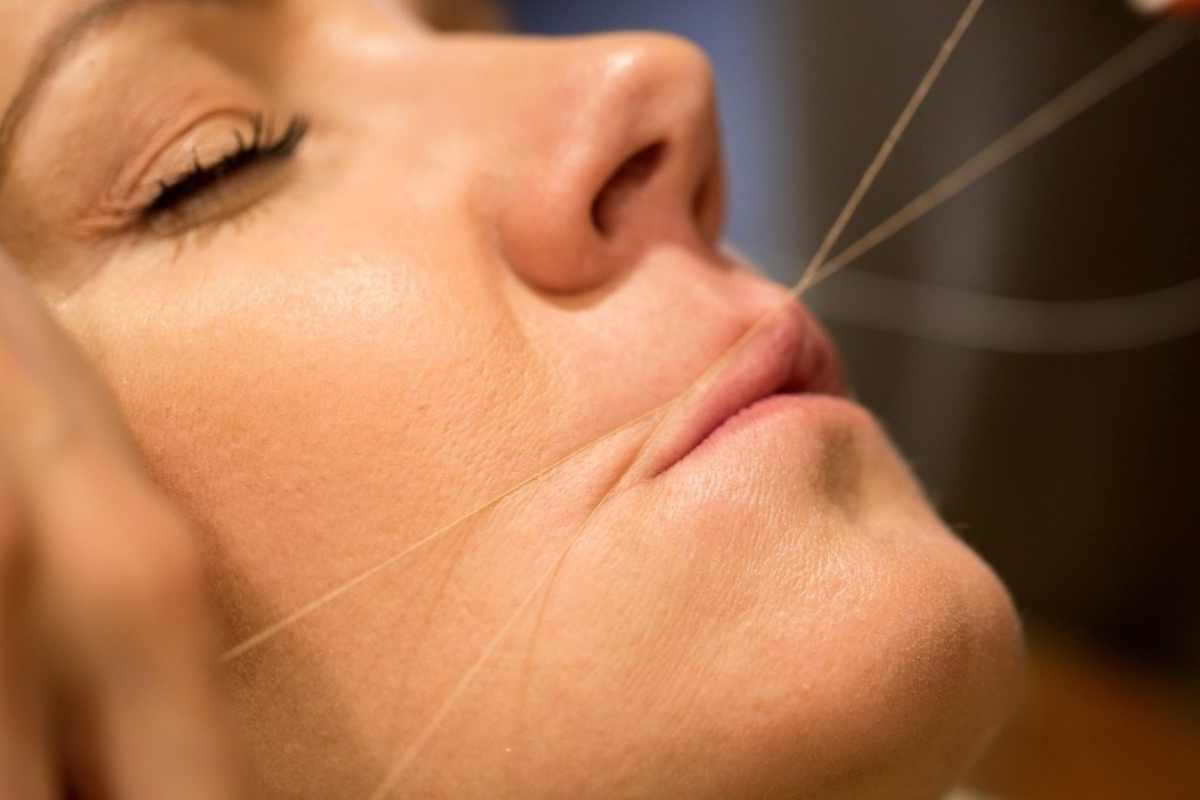
Upper Lip Threading – Razing is a personal one, and yet to numerous individuals having the upper part of the lips trimmed and de-hair authentically visibly affects the whole appearance. One of the most effective methods of removing hair that goes unmentioned today, and is actually gaining popularity, is the threading of the upper lip; those who like it the most are also the ones who like being precise and experienced in using fewer chemicals.
However, is threading the right idea for your skin? Or are there unpleasant sides behind the scenes that you need to know about?
Through this step-by-step tutorial, we will cover everything you need to learn about the experience, including the definition of threading, its pros and cons, and which types of threading complement each other and which ones should be avoided.
Table of Contents
What Is Upper Lip Threading?
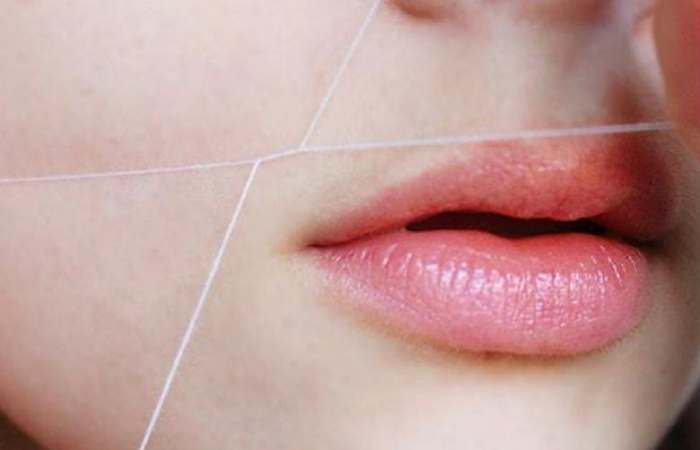
Upper lip threading is an ancient method of hair removal with the help of a thinner thread made of cotton, as a result of which the undesirable hair will be removed at the root. The thread is twisted and rolled over the skin, and the hair is captured and pulled out in a neat and precise gesture.
Threading does not entail any chemicals or heat treatment as opposed to waxing or depilatory creams; hence, it is more desirable for the sensitive skin type.
Why Upper Lip Hair Removal Matters
While facial hair is completely natural, many people choose to remove upper lip hair for aesthetic or grooming reasons. It helps:
- Make a healthier and brighter look on the face.
- Improve the appearance of applying makeup.
- Increase social/professional trust.
- Adhere to a regular arrangement of hygiene.
Threading, in particular, stands out because of its ability to shape and define the area without harsh side effects. allergens.
Pros of Upper Lip Threading
Precise Hair Removal
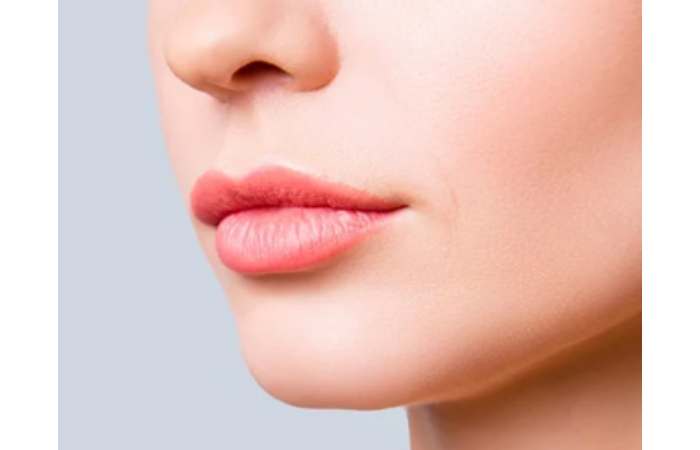
Threading allows for incredible precision. Unlike waxing, which removes hair in bulk, threading targets even the finest strands individually.
This makes it ideal for:
- Shaping delicate facial areas
- Removing short or fine hair
- Achieving a clean, defined finish
No Chemicals or Heat
One of the biggest advantages is that threading is completely natural. It uses only cotton thread—nothing else.
This reduces the risk of:
- Skin burns
- Chemical irritation
- Allergic reactions
For people with sensitive or acne-prone skin, this is a major benefit.
Longer-Lasting Results
Because threading removes hair from the root, regrowth takes longer compared to shaving or creams.
- Results typically last 2–4 weeks
- Hair often grows back finer over time
- Less frequent maintenance needed
Suitable for Sensitive Skin
Threading is often gentler than waxing for delicate areas like the upper lip.
It avoids:
- Skin pulling
- Heat exposure
- Harsh ingredients
That said, sensitivity can vary from person to person.
Minimal Skin Damage
Threading doesn’t remove layers of skin like waxing sometimes can. This lowers the risk of:
- Skin peeling
- Hyperpigmentation (in most cases)
- Burns or abrasions
Quick Procedure
A skilled professional can complete upper lip threading in just 5–10 minutes, making it ideal for busy routines.
Cost-Effective
Threading is generally affordable compared to other methods like laser treatments.
Average Cost Comparison
| Method | Cost per Session (Approx) | Frequency Needed |
| Threading | ₹30 – ₹150 | 2–4 weeks |
| Waxing | ₹50 – ₹200 | 3–4 weeks |
| Laser | ₹2,000 – ₹5,000 | Multiple sessions |
| Hair Removal Cream | ₹100 – ₹300 (per tube) | Weekly |
Skin reaction guide — identify, triage, recover
Some reactions are normal; others need care. Use the table below to quickly assess and act.
| Reaction | Typical timing | Likely cause | Home action (first 24–72 hrs) | See a doctor if… |
| Mild redness & warmth | Immediately–6 hrs | Normal inflammatory response | Cool compress, aloe gel, avoid sun | Redness lasts >72 hrs or spreads |
| Small red bumps (papules) | 6–48 hrs | Follicle irritation / minor trauma | Apply cold compress, gentle cleanser, avoid makeup | Pustules, severe pain, fever |
| Pustules (whiteheads) | 24–72 hrs | Bacterial entry into follicles | Keep clean, avoid picking, topical benzoyl peroxide spot treatment | Increasing pain or spreading |
| Ingrown hairs | 3–14 days | Curled regrowth or broken hair | Gentle exfoliation, warm compress, sterile tweezer removal (if visible) | Recurrent severe ingrowns or cysts |
| Hyperpigmentation (dark spots) | Weeks–months | Post-inflammatory response + sun | Sunscreen, vitamin C serum, gentle exfoliation | Rapid darkening or large patches |
| Allergic reaction (rare) | Immediate–24 hrs | Sensitivity to topical aftercare product | Stop product, cool compress, antihistamine | Swelling of face/mouth, breathing difficulty — seek emergency care |
Cons of Upper Lip Threading
Can Be Painful
Threading involves pulling hair from the root, which can cause discomfort—especially for beginners.
Pain level depends on:
- Skin sensitivity
- Technician’s skill
- Individual tolerance
Temporary Redness and Irritation
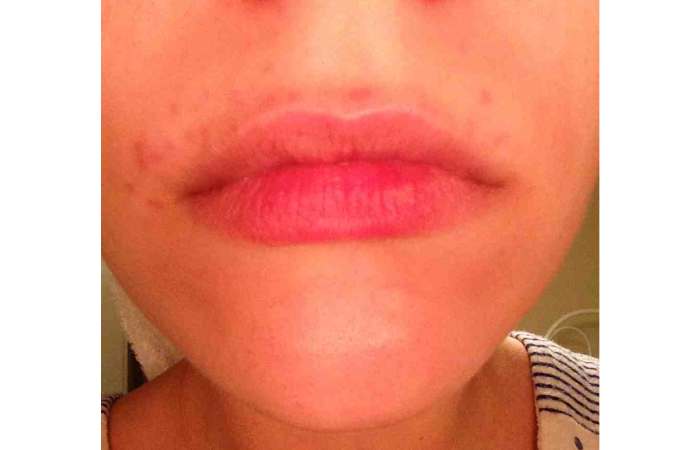
After threading, it’s common to experience:
- Redness
- Slight swelling
- Tingling sensation
This usually fades within a few hours but may last longer for sensitive skin.
Risk of Ingrown Hairs
Although less common than waxing, threading can still lead to ingrown hairs if proper aftercare is not followed.
Requires Skilled Technique
Threading is not easy to master. Poor technique can lead to:
- Uneven hair removal
- Skin pinching
- Breakage instead of root removal
Choosing an experienced professional is essential.
Not Ideal for Very Thick Hair
If upper lip hair is very coarse or dense, threading may take longer and feel more uncomfortable compared to waxing.
Frequent Maintenance
While results last longer than shaving, threading still requires regular upkeep every few weeks.
Upper Lip Threading: Pros vs Cons Table
| Aspect | Pros | Cons |
| Precision | Highly accurate | Depends on technician skill |
| Skin Safety | No chemicals or heat | May cause temporary redness |
| Pain Level | Bearable for most | Can be painful for sensitive skin |
| Cost | Affordable | Repeated sessions required |
| Hair Regrowth | Slower, finer growth | Not permanent |
| Suitability | Great for sensitive skin | Not ideal for very coarse hair |
Threading vs Other Hair Removal Methods
Comparison Table
| Feature | Threading | Waxing | Shaving | Creams |
| Pain Level | Medium | Medium-High | None | None |
| Precision | High | Medium | Low | Low |
| Skin Irritation | Low | Medium-High | Low | Medium |
| Hair Removal | From root | From root | Surface only | Surface only |
| Regrowth Time | 2–4 weeks | 3–4 weeks | Few days | Few days |
Who Should Choose Upper Lip Threading?
Threading is a great option if you:
- Have sensitive or acne-prone skin
- Prefer natural, chemical-free methods
- Want precise hair removal
- Are looking for an affordable grooming routine
Who Should Avoid Threading?
You might want to skip threading if you:
- Have extremely sensitive or inflamed skin
- Are dealing with active acne or infections
- Have very low pain tolerance
- Prefer long-term solutions like laser
Before and After Care Tips
Before Threading
- Cleanse your face thoroughly
- Avoid applying heavy creams or oils
- Exfoliate gently a day before
After Threading
- Apply aloe vera or soothing gel
- Avoid touching the area frequently
- Stay away from direct sunlight for a few hours
- Skip makeup immediately after threading
- Use a cold compress if needed
Common Myths About Upper Lip Threading
Hair Grows Back Thicker
Truth: Threading removes hair from the root, and regrowth is often finer over time.
Threading Damages Skin
Truth: When done correctly, threading is one of the safest hair removal methods.
It Causes Darkening
Truth: Darkening usually results from irritation or sun exposure, not threading itself.
Practical Tips for Better Results
- Always choose an experienced professional
- Maintain a regular threading schedule
- Follow proper aftercare
- Avoid threading on irritated skin
- Keep skin hydrated and protected
FAQs
Q: Will threading make hair grow back thicker?
No — threading removes hair at the root. New growth may feel coarser at first, but repeated removal usually results in finer regrowth.
Q: How long until I can apply makeup?
Wait at least 4–6 hours. If your skin is particularly reactive, wait until any redness subsides.
Q: Can threading cause scarring?
Rarely, if done properly. Scarring is more likely if the skin is picked, aggressively treated after, or threaded over open wounds.
Q: Is threading safe for teenagers?
Yes, if done carefully and hygienically. For younger teens, avoid if there is acne or sensitive skin issues.
Final thoughts
Threading is an excellent option for most people who want precise, chemical-free hair removal on the upper lip. It balances speed, cost, and results well. The key to a good outcome is technique and aftercare: choose a skilled technician, prepare your skin, follow the post-treatment routine, and know how to respond to normal reactions.
